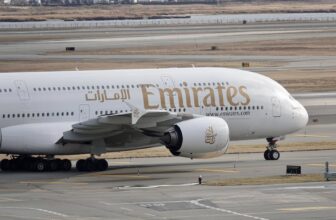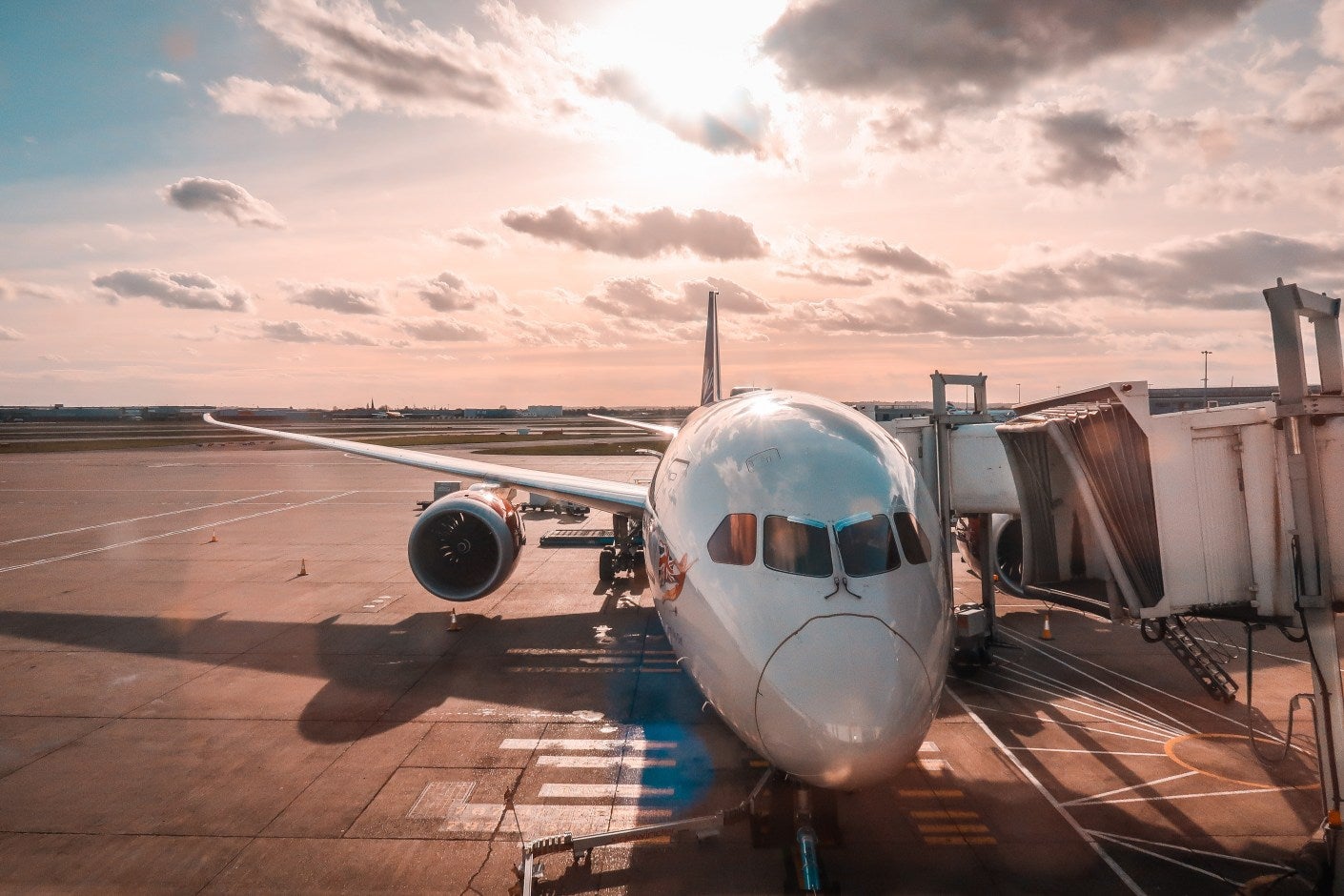
On Saturday night time, a Virgin Atlantic plane took off from Washington, D.C.’s Dulles Worldwide Airport (IAD) at 10:45, sure for London’s Heathrow Airport (LHR).
A short while into the flight, because the Boeing 787 Dreamliner climbed to greater than 33,000 toes above the New York Metropolis space, it reached what appeared — at first look — to be a reasonably notable milestone: a floor velocity of 802 miles per hour, in keeping with knowledge from FlightAware.
For comparability, the velocity of sound is round 760 mph, per NASA.
Need extra aviation information? Sign up for TPG’s free biweekly Aviation newsletter.
That plane wasn’t alone.
Additionally on Saturday night time, a British Airways Boeing 777 sure for London reached floor speeds of 812 mph some 34,000 toes above New Jersey. And an American Airways 777 out of Raleigh-Durham Worldwide Airport (RDU) reached 785 mph an evening later, additionally en path to an early arrival at Heathrow.
Don’t fret: You did not miss the sonic increase: There wasn’t one.
Can business planes fly on the velocity of sound?
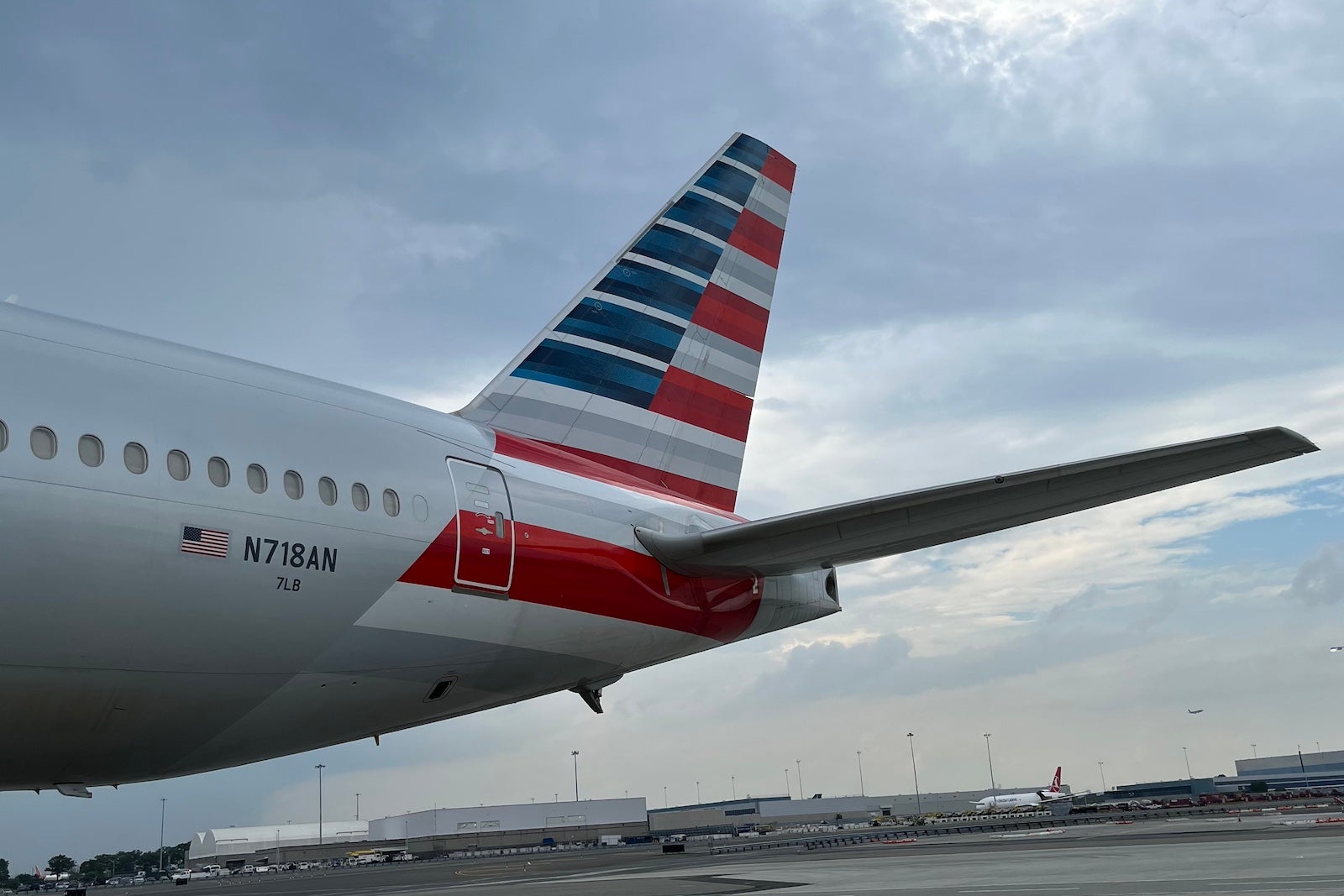
These jets did not truly break the sound barrier over the weekend. They simply obtained a major push from Mom Nature.
Across the similar time these flights took off, the Nationwide Climate Service within the Washington, D.C., area famous an unusually highly effective jet stream over the mid-Atlantic.

Every day E-newsletter
Reward your inbox with the TPG Every day publication
Be part of over 700,000 readers for breaking information, in-depth guides and unique offers from TPG’s consultants
Because of the place that fast-moving present of air was positioned over the weekend, it immediately affected flight operations.
“Consider it as a river of air at a excessive altitude,” stated Dan DePodwin, director of forecasting operations at AccuWeather. “Over the weekend … it was very properly aligned with the standard routes planes fly once they go from the East Coast over to Europe, and due to that, there was a major tail wind.”
The truth is, the climate service stated, climate balloons detected the second-strongest jet stream relationship again to the mid-Twentieth century, with winds as quick as 265 mph at 34,000 to 35,000 toes.
“For these flying eastbound … there shall be fairly a tail wind,” the NWS stated in a put up on social media.
That actually proved true.
The Virgin Atlantic flight obtained to Heathrow 45 minutes early, in six hours and 40 minutes. Quite a few different flights touched down in London a half-hour early or extra over the weekend.
However regardless of the spectacular floor velocity readings (to not point out the brief journey occasions to Europe), none of those jets technically handed the sound barrier.
Nothing just like the Concorde
Not like the Concorde, which may legitimately break the sound barrier with flight speeds of more than 1,300 mph because it whisked passengers throughout the Atlantic to Europe in its heyday, the Virgin Dreamliner wasn’t truly propelling itself by way of the air at an airspeed of 800-plus mph.
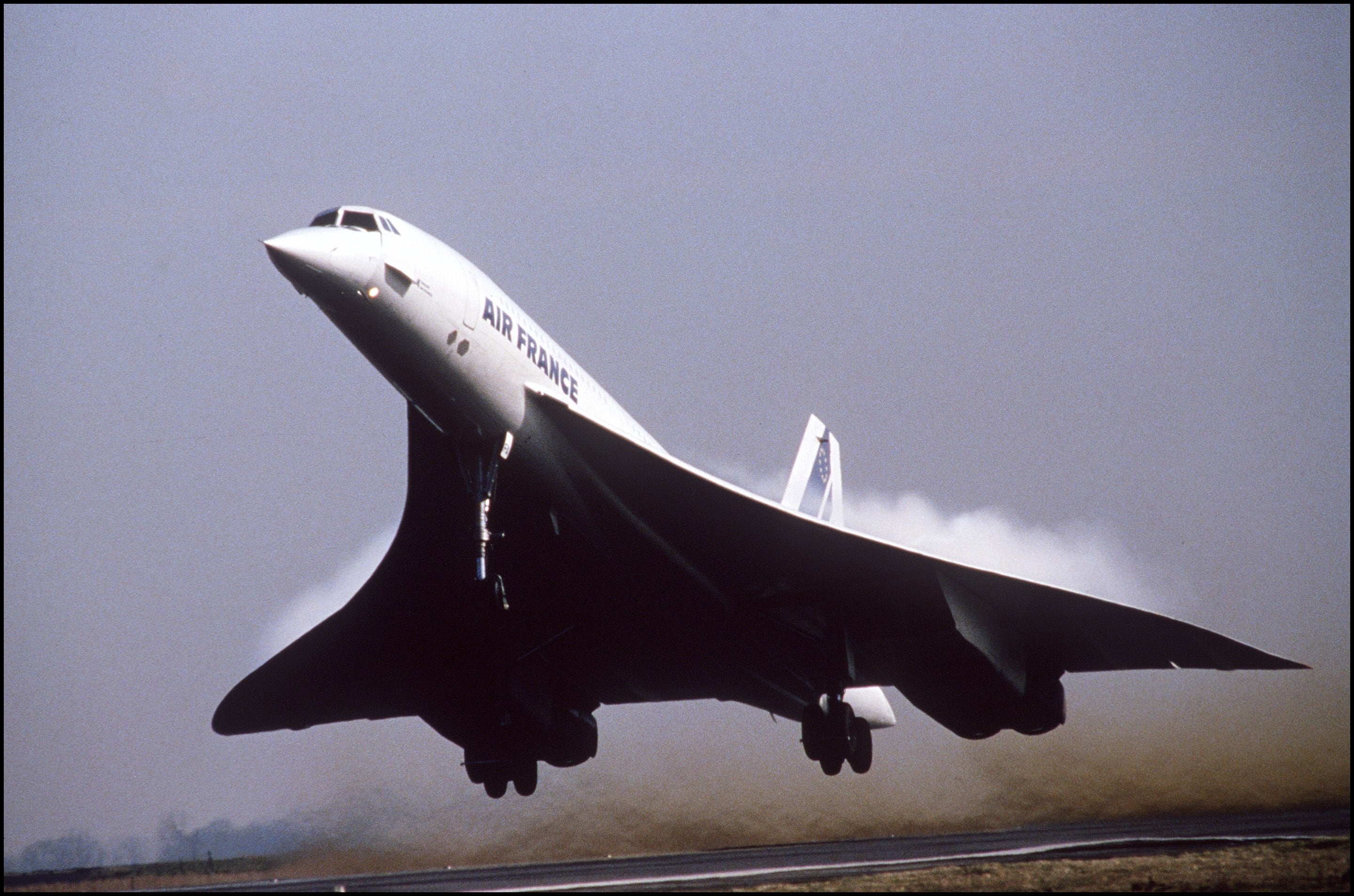
The truth is, its precise airspeed — the velocity of the aircraft relative to the air instantly surrounding it — would have been a pair hundred miles per hour slower.
However because of the sturdy winds, its floor velocity, or how briskly the jet was shifting relative to the bottom, reached these head-turning readings.
Although Saturday night time’s jet stream was particularly highly effective, the phenomenon is comparatively widespread in aviation — notably through the cooler months of the yr within the northern hemisphere.
“Usually talking, in January by way of March, we are inclined to see stronger jet streams. Nevertheless, with local weather change, that may fluctuate,” stated Dan Bubb, a former airline pilot who serves on the school on the College of Nevada, Las Vegas.
It may be nice information for planes flying with the wind, dashing up journey occasions and serving to airways save on gas prices.
“Conversely, when airplanes are flying from east to west, they’re flying into the jet stream, which can take longer to get to their locations,” Bubb stated.
That additionally means extra gas used.
“We see this throughout the USA as properly,” DePodwin added. “I feel it was a Boston-to-Phoenix flight a few years in the past that truly needed to cease to refuel someplace in the course of the county, like Oklahoma, due to a major head wind.”
At a time when quite a few airways have bemoaned high costs, together with gas costs, as a proverbial head wind, they will doubtless take any literal tail wind they will get.
“There’s positively quite a lot of aviation logistics that come into play,” DePodwin stated. “Climate is a giant issue.”
Associated studying:
Trending Merchandise